Artificial Grass Installation: Elevate Your Yard With Effortless Elegance
Synthetic turf installation offers a smart choice for homeowners seeking an attractive lawn without the hassle of constant upkeep. This forward-thinking choice delivers a range of benefits, from lower water usage to fewer pest concerns. Understanding the nuances of installation and maintenance can greatly enhance the value of a property. Still, some homeowners question whether this investment is worthwhile over time. Examining the specifics can shed light on this emerging trend.
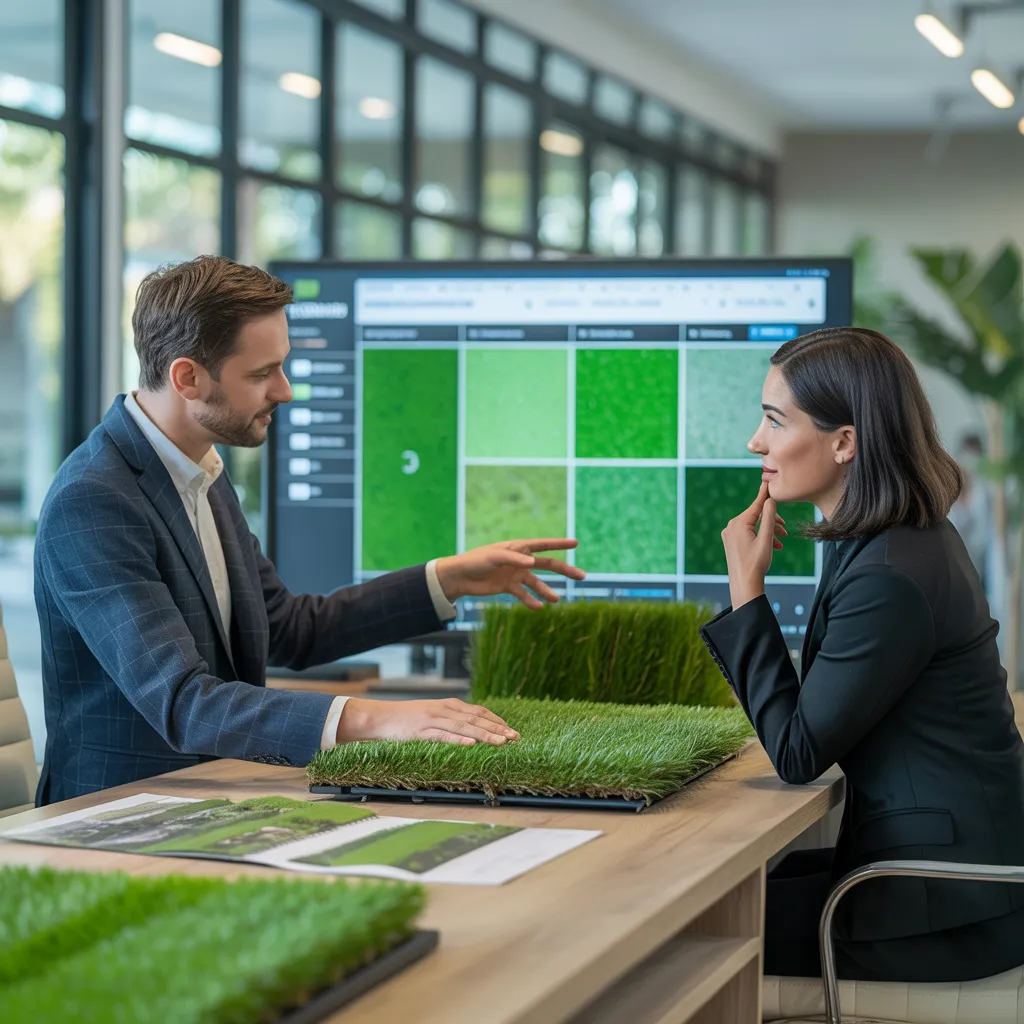
Exhausted by Lawn Care? Find Out Why Artificial Grass Is Your Best Option
Why suffer through never-ending lawn care when artificial grass offers a practical alternative? Many homeowners find themselves overwhelmed by the demands of natural grass, which involves routine mowing, watering, and fertilizing. These responsibilities not only take up precious time but also lead to higher water bills and environmental issues. Synthetic turf offers an answer that removes the necessity for these time-consuming tasks.
Thanks to technological advancements, contemporary synthetic grass replicates the look and feel of natural grass, offering a beautiful landscape throughout the year. It withstands various weather conditions without fading or browning, making it a reliable choice for any climate. Furthermore, installing artificial grass can significantly improve the visual appeal of both residential and commercial spaces, offering a clean, manicured look without the upkeep. As more individuals seek low-maintenance options, artificial turf proves to be an attractive solution for those looking to move beyond standard lawn care demands.
Top 5 Benefits of Choosing Artificial Turf
As many homeowners search for low-maintenance landscaping alternatives, the merits of artificial turf go well beyond simple convenience. First, artificial grass preserves a verdant aesthetic across all seasons, eliminating the seasonal browning common with natural lawns. Furthermore, it considerably reduces water consumption, making it a green alternative, especially in drought-prone areas. Moreover, artificial turf is resilient against pests and weeds, reducing the reliance on damaging pesticides and herbicides. Beyond that, it offers durability, standing up to heavy foot traffic without the wear and tear often seen with natural grass. Finally, the installation of artificial turf has the potential to increase property value, offering a neat, appealing aesthetic that attracts prospective buyers. Collectively, these advantages establish artificial turf as a sensible and attractive option for homeowners looking to elevate their outdoor spaces.
Determine the Best Type of Artificial Grass
Selecting the most suitable variety of artificial grass entails multiple key elements that can considerably impact its overall performance and look. Considerations such as pile height, color, and durability against weather conditions are essential in making an informed choice. Every element supports the complete visual appeal and practicality of the setup, making sure it satisfies particular needs and preferences.
Grass Stack Height Factors
When picking artificial grass, one important consideration to keep in mind is the pile height, which can significantly affect both aesthetics and functionality. Pile height commonly falls between 1 inch to 2.5 inches, and the ideal selection depends on usage and visual preferences. Taller piles frequently produce a full, lifelike aesthetic but may require more maintenance to stand upright. Conversely, shorter piles provide a sturdier foundation, well-suited to high-traffic areas such as athletic courts or recreational areas. Furthermore, environmental factors, such as geographic climate and light intensity, can affect how well different pile heights. Ultimately, choosing the right pile height confirms that the artificial grass fulfills both decorative goals and everyday demands for any specific location.
Select The Right Color
In what ways does the right color improve the general appeal of artificial grass? Choosing the right color for artificial grass plays a vital role in creating a natural appearance and harmonizing with the surrounding landscape. A wide range of tones, from bold greens to soft earth tones, gives homeowners the freedom to adjust their choice based on individual preference and surrounding conditions. For instance, lighter greens can create a fresh, summery vibe, while darker hues may evoke a more mature, lush appearance. Furthermore, an appropriate color can assist in managing sunlight reflection, which can impact the general atmosphere of the outdoor area. In the end, selecting the ideal color not only improves the visual appeal but also ensures that the artificial grass blends effortlessly into its surroundings.
Durability And Weather Resistance
Durability and weather resistance are essential considerations in choosing the right type of artificial grass, as they significantly influence its durability and overall effectiveness. High-quality synthetic turf is designed to withstand a wide range of weather conditions, including intense sun, heavy rain, and freezing temperatures. When choosing synthetic turf, it is important to look for materials like polyethylene or polypropylene, valued for their toughness should be prioritized. UV protection is also important, as it prevents fading and degradation from sunlight exposure. Additionally, a robust backing system enhances stability and prevents wear over time. In the end, choosing durable, weather-resistant synthetic turf ensures an attractive, practical lawn that demands little upkeep while standing up to the elements with ease.
How to Set Up Your Yard for Artificial Grass Installation
Getting a yard for synthetic turf installation requires a number of important steps. To begin, it is necessary to clear any existing vegetation to form a clean base. After that, smoothing out the ground guarantees a smooth and even surface for the new grass.
Clear Existing Vegetation
To secure a effective artificial grass installation, removing existing vegetation is an essential first step. This task involves removing all grass, weeds, and other plants from the specified area. Complete removal confirms that no organic matter interferes with the installation, avoiding future growth that could compromise the artificial grass. It is advisable to use tools such as a shovel, sod cutter, or garden fork to extract the vegetation effectively. After clearing, the area should be inspected to ensure no remnants are present, as these can lead to poor drainage and uneven surfaces. Appropriate disposal of the cleared vegetation is equally important, contributing to a clean and prepared site for the scheduled installation of artificial grass.
Even Out The Ground
Following the removal of the existing vegetation, the next step involves flattening the ground to create a stable foundation for the artificial grass. This process begins by inspecting the area for any depressions or irregular surfaces. Using a rake or shovel, the homeowner should move soil around to obtain a uniform, flat surface. It is crucial to firm up the soil to minimize future ground movement, which can lead to uneven patches in the artificial turf. A mechanical compactor can be employed for this task. Additionally, a moderate incline should be maintained to guarantee proper drainage away from structures. This careful leveling not only enhances the aesthetic appeal but also prolongs the life of the artificial grass by preventing water accumulation and promoting proper drainage.
Step-by-Step Guide to Installing Artificial Grass
Setting up synthetic turf can transform any outdoor space into a vibrant, green retreat with hardly any maintenance required. The starting point requires measuring the area to determine the amount of turf needed. After that, the existing grass and debris must be eliminated, followed by evening out the ground to guarantee proper drainage. A base layer of gravel or crushed granite should then be distributed and compressed to create a solid base.
Subsequently, a weed barrier fabric is laid down to inhibit weed growth beneath the artificial turf. The fake grass is then rolled out, making sure it covers the area properly without any overlaps. The edges are fastened with staples and adhesive, and seams are bonded using adhesive and tape for a neat and seamless result. Finally, infill is distributed to keep the grass blades erect, improving the overall appearance and texture. This step-by-step method ensures a professionally finished and attractive installation.
Care Guidelines for Your New Artificial Lawn
Synthetic turf requires regular maintenance to keep them looking great and lasting longer. Frequent brushing is important; employing a stiff-bristle broom assists in raising the fibers and stopping matting. Organic debris including leaves and sticks should be disposed of without delay to prevent fading and mold development. When dealing with spills or stains, a gentle soap mixture may be used, followed by rinsing with water to prevent residue buildup.
Periodically rinsing with a garden hose effectively removes pet odors and dust, ensuring a fresh look and scent. Under regular heavy use, infill material may require replenishment to preserve relevant article cushioning and stability. Furthermore, checking for signs of damage, like tears or separated seams, enables prompt repairs, protecting the long-term integrity of the lawn.
Ultimately, steering clear of sharp objects and high-heat sources helps minimize unwanted wear. By following these maintenance tips, homeowners can enjoy a vibrant, low-maintenance lawn for years to come.
Is Artificial Grass Worth the Cost?
What factors help determine if artificial grass is truly a worthwhile investment? Evaluating the cost-benefit ratio is essential. On the surface, artificial grass may seem like a significant expense, with upfront installation costs typically higher than natural grass. Nevertheless, the long-term benefits it provides can more than compensate for the initial investment.
Artificial turf necessitates minimal maintenance, doing away with expenditures tied to mowing, watering, and fertilizing. Such a reduction in care requirements can generate substantial long-term savings. Additionally, the long-lasting nature of artificial grass means it can remain functional for 15 years or more, providing value through longevity.
Environmental considerations also play a role decreased water use is a persuasive element in regions susceptible to drought.
In the end, the final call depends on each homeowner's unique situation, including cost constraints, regional weather conditions, and individual tastes. Considering these elements can help homeowners assess whether artificial grass is a sound financial decision for their specific needs.
Frequently Asked Questions
Can Artificial Grass Be Used Safely by Pets?
Pets are able to safely use artificial grass, as it is non-toxic and often designed to withstand wear. Proper drainage and regular cleaning guarantee hygiene, making it an ideal option for pet owners looking for easy-care alternatives.
How Long Will Artificial Grass Last?
Artificial turf usually endures for between 15 to 25 years, based on factors including quality, usage, and environmental conditions. Consistent upkeep can help prolong its durability, making it a lasting and visually pleasing solution for outdoor environments.
Does Artificial Grass Have Eco-Friendly Benefits?
Synthetic turf is frequently regarded as somewhat detrimental to the environment because of its petroleum-based materials and potential environmental impact associated with manufacturing and end-of-life processes. That said, it minimizes water usage and reduces chemical usage, offering advantages for specific environmental factors.
Is Synthetic Turf Able to Be Recycled?
Yes, artificial grass is recyclable, however the process differs among maker. Several businesses have eco-friendly recycling options, enabling customers to send back used turf for reuse, thereby reducing environmental waste and supporting eco-friendly practices.
What Happens During Extreme Weather Conditions?
In the midst of severe weather events, synthetic turf might suffer from temperature fluctuations, possible discoloration, or distortion. Heavy rainfall may result in drainage issues, while extreme heat could make the turf surface to become uncomfortably hot for individuals utilizing the area.